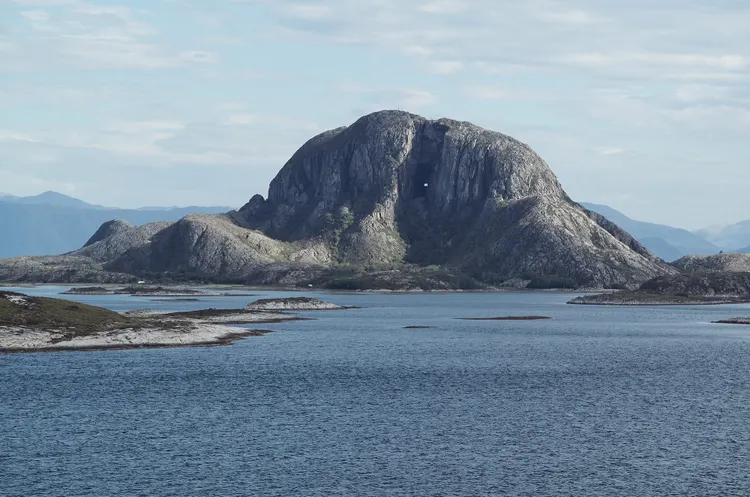
Long lenses and the EV1 seem destined for each other. The rangefinder patch for the 90mm and 135mm lenses always requires the utmost of care, especially with wide-open f/stops. In my landscape work, I am always finding new uses for long lenses and the EV1 is turning out to be the ultimate playground.
Backstory in Antarctica
In very early 2024 I was in Antarctica, but not before spending months leading up to the trip researching other photographers. Time of day, types of film, temperatures and focal lengths were among the topics I dived into. It turns out that long lenses were favored for most Antarctica shots, not wide angles.
Why? There are no ports and docks in Antarctica. Most of the time, unless walking on the continent, viewing is done from the ship. It turns out that even 1,000 meter mountains full of snow and ice are better photographed with long lenses.
I took two Leica SL lenses with me to Antarctica - the SL 24-90 and SL APO 90-280. Almost 90% of my images were taken with the 90-280 although both lenses produce stunning captures of the light on snow filled peaks and wildlife. Almost 3/4 of the images I took with the 90-280 were in the focal length between 150mm and 180mm. After spending 8 year photographing the South Carolina coast with 28-35mm effective focal lengths, the amount of images taken with a long focal length was surprising. Yet, it also matched my research prior to leaving for the iced continent.
Landscpes with the M APO 135mm
The 135mm focal length, as it turns out, is a great long landscape lens for the Leica M system. The APO designation, like the APO Summicron-M 90mm lens, renders very crisp details across the frame at low f/stops.
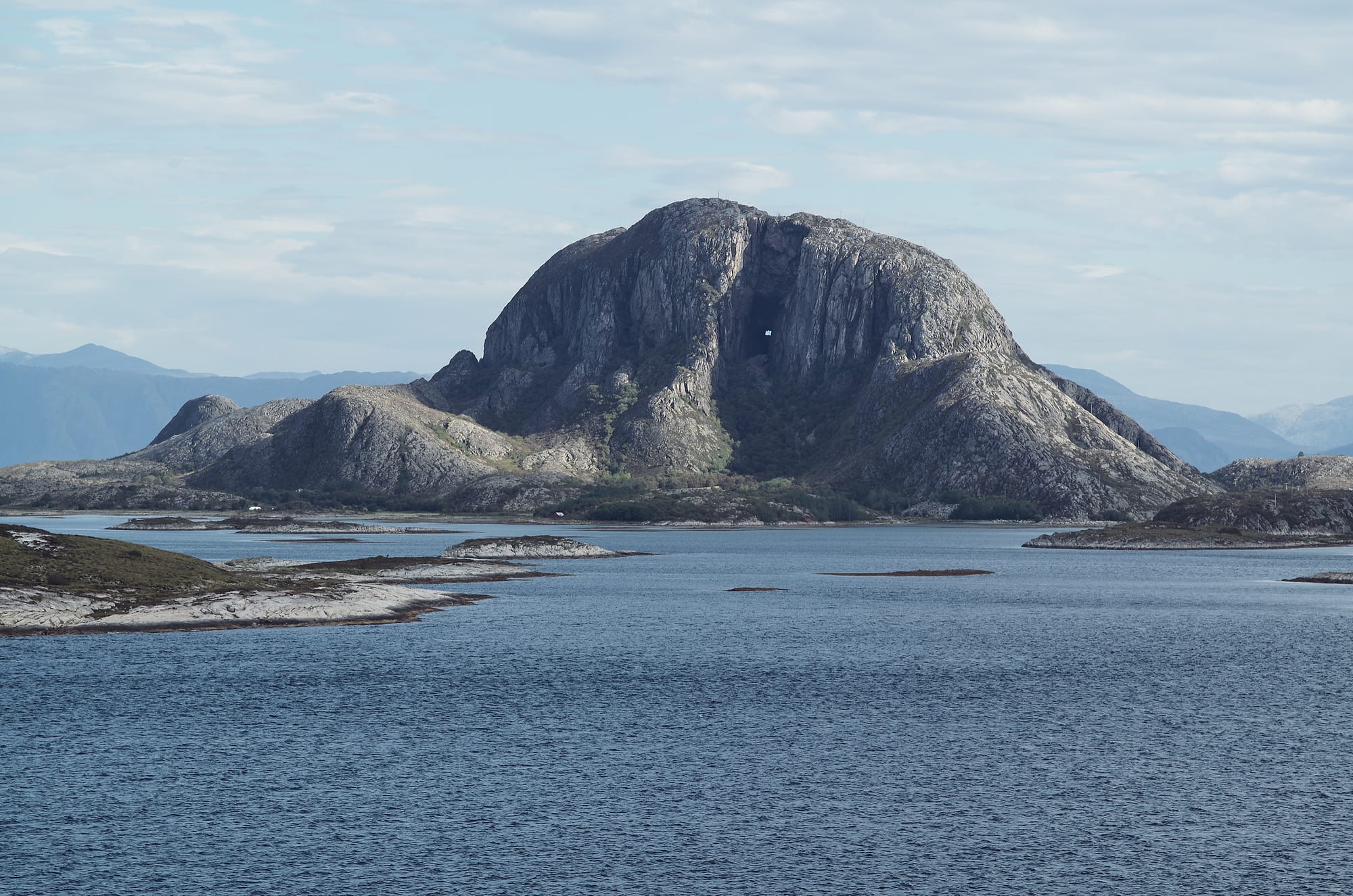
I have tried the 1.25x and 1.40x eyepiece adapters with Leica M film cameras over the years. While clumsy to use, they allow precise focusing with the 90 and 135 focal lengths. One drawback is that the magnification removes the edges of the frames so wider lenses require the removal of the eyepiece first. While reserved for another day, Leica also has customized rangefinders for long lenses, but again, the view is limited to 35mm and wider lenses require external optical viewfinders for film bodies and live view for the digital bodies.
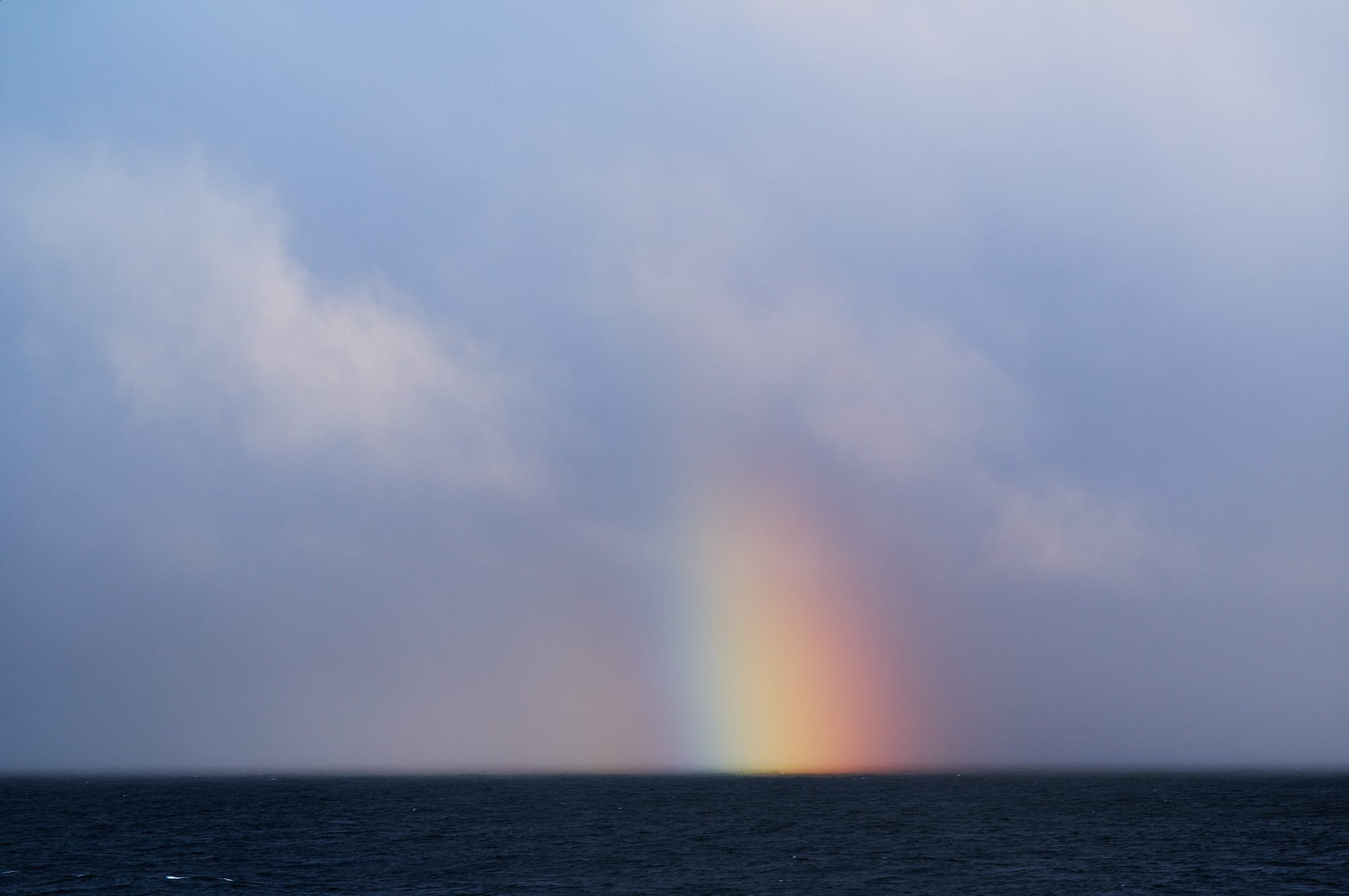
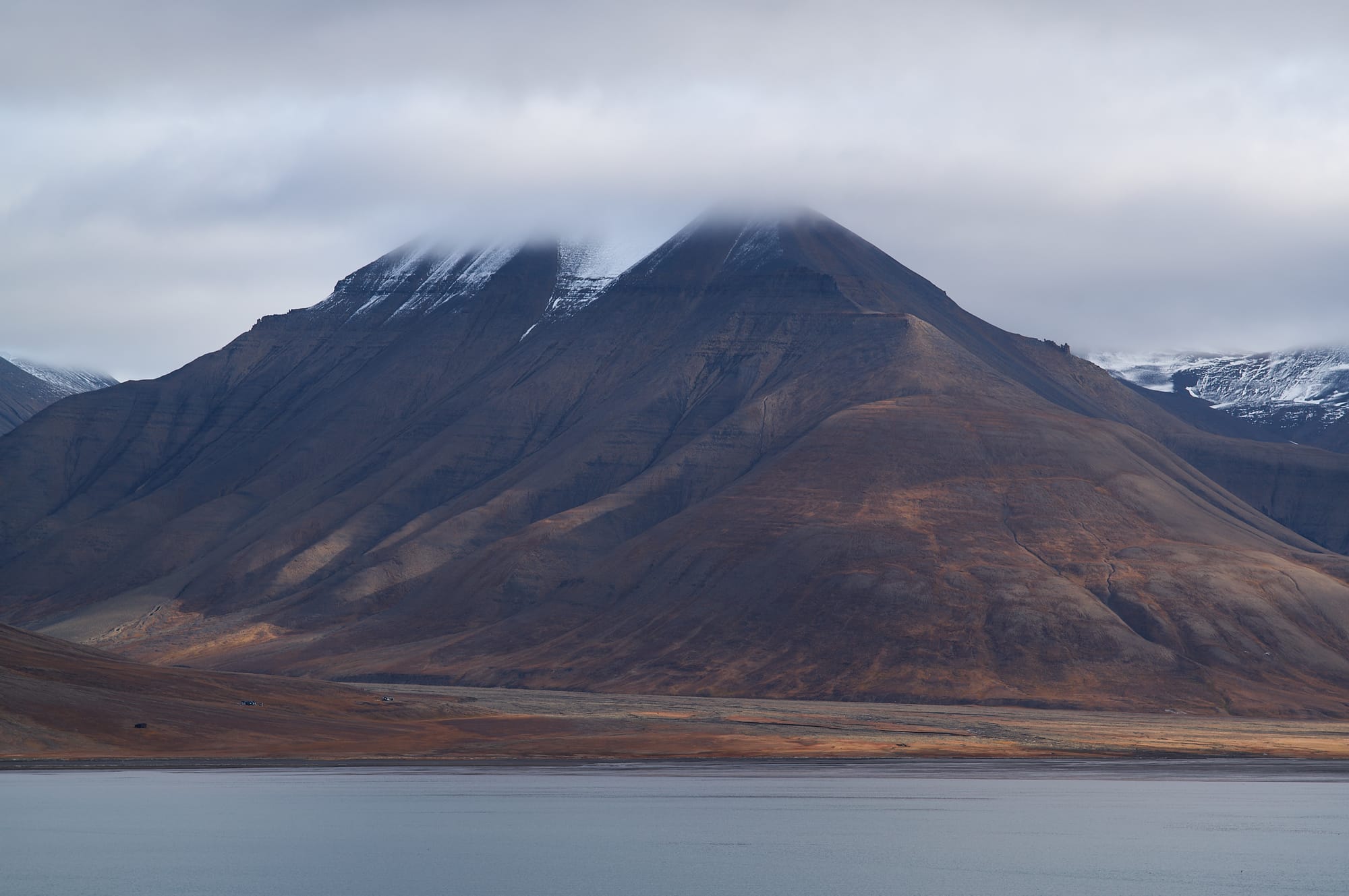
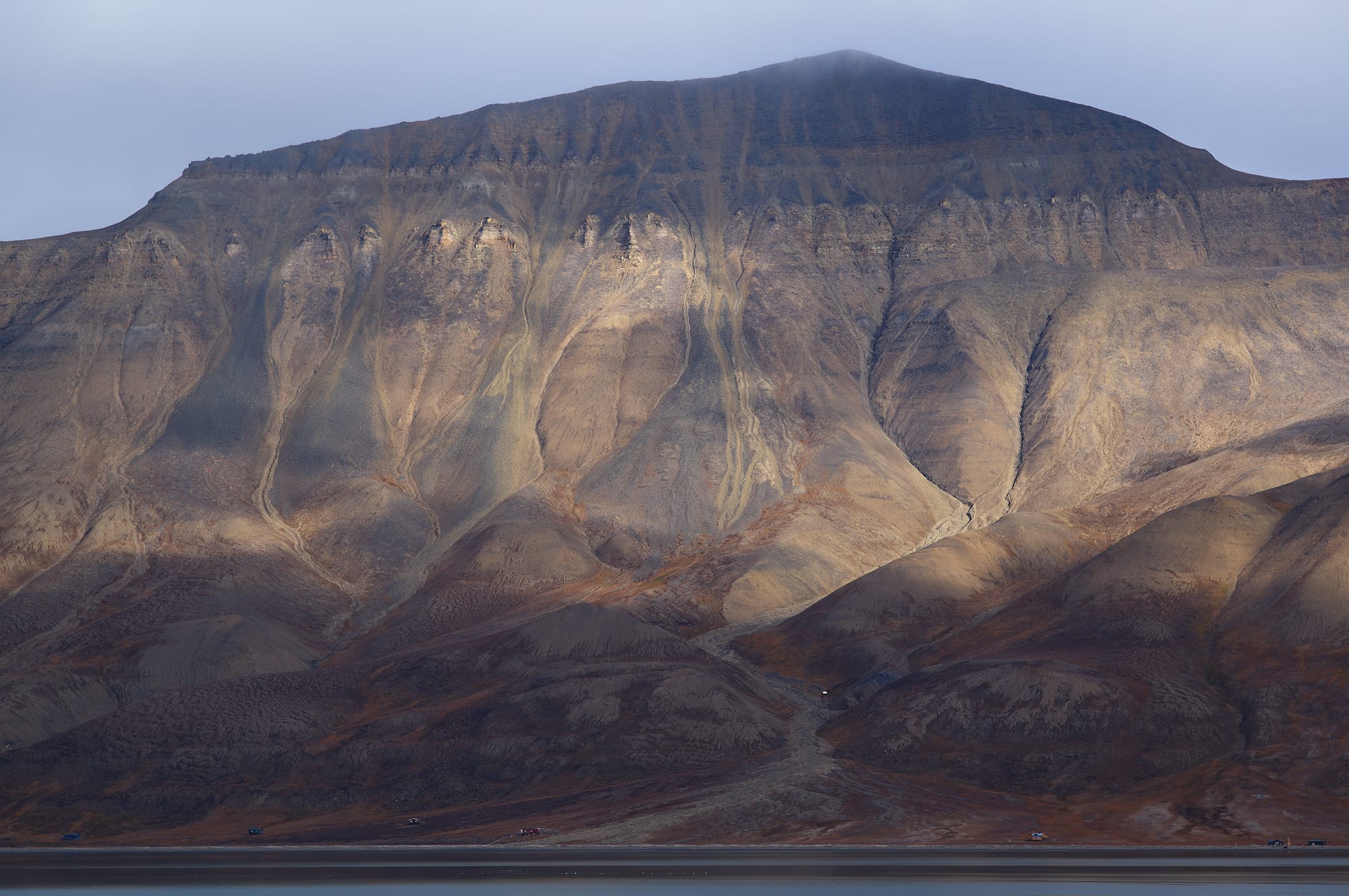
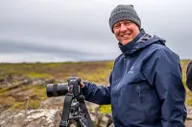
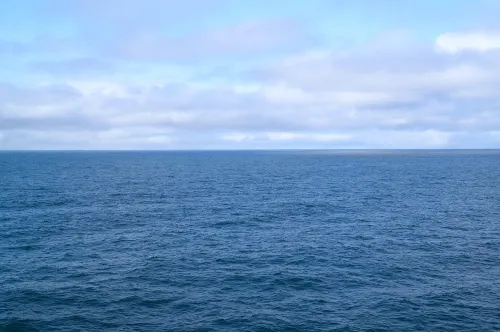
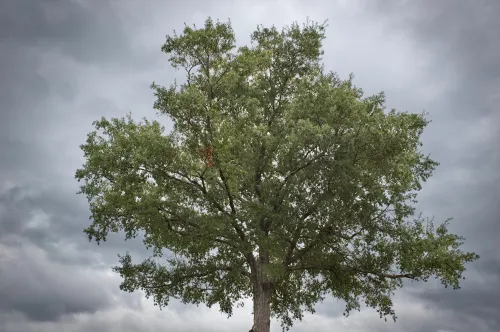
Various images from above the Arctic Circle, -EV1 and APO Telyt-M 135mm
The EV1 solves several of these rangefinder problems. First, regardless of the focal length, the viewfinder shows the full frame from the sensor. Second, focusing with long focal lengths is exactly the same as with any other focal length.
Auto ISO and Shutter Speed
The shutter speed necessary without a tripod is always higher the longer the lens. Especially with dense 64 megapixel sensors, slight movements will cause blur at the pixel level ruining the ability for larger prints. If course, downsizing to 2,000 pixels on the long side may remove some of that blur, it is disappointing to find out later that the image is unusable to print and hang up in a large format.
In order to get higher speeds, Auto ISO is a very favorable method. Used in Antarctica, I set a minimum shutter speed of about 7 times the focal length. For the 280mm SL lens, this was 1/2000 of a second. For the 135mm, this is about 1/1000 of a second or at least 1/750 depending on your own stability.
I also set a maximum ISO of what I believe is the most usable result. For the EV1 this is about ISO 12,500. While grainy, the grain is very film like. Yes, I read this all the time on the internet, but the results of the higher ISO‘s from Leica do tend to be more random and film-like. This keeps the noise less distracting. In practical daytime use, the ISO stays lower than this amount. I personally prefer some head room in exposure, and I would rather a sharp image over less noise.
Conclusion
The Leica APO Telyt-M 135mm f/3.4 is not only a tremendous landscape lens, with or without a tripod, but is also a perfect pairing with the Leica EV1. Simply mounting the lens is all that is necessary to get accurate focus and framing whether taking close-up images or using infinity. No additional viewfinders need attached to the hot-shoe or eyepiece and image taking is the same as other focal lengths. Finally, auto ISO can be used to ensure high shutter speeds are quickly attained without the need for manually adjusting ISO in the middle of a shoot.
Using the technology of the Leica EV1 on a long vacation in colder weather and a wide variety of scenery has helped me shape some methods for focusing various lenses at various apertures. There is much to cover in the following weeks as I edit and get these mental notes committed to writing. More to come!