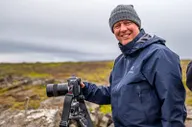


The Leica Society International, or LSI, holds regular conferences for Leica photographers of all levels, from hobbyists to Professionals, to meet, take photographs, listen to presentations on different styles of photography, and share member-made images. This October, the location was Detroit, Michigan, in the United States.
I have to say I was surprised and impressed with the city of Detroit! With the large collection of old-style skyscrapers and stone buildings, and a National Park location, the Fox Theater, there were plenty of subjects for photography! This became another good time to rely on the Leica EV1 for taking images in all types of lighting.
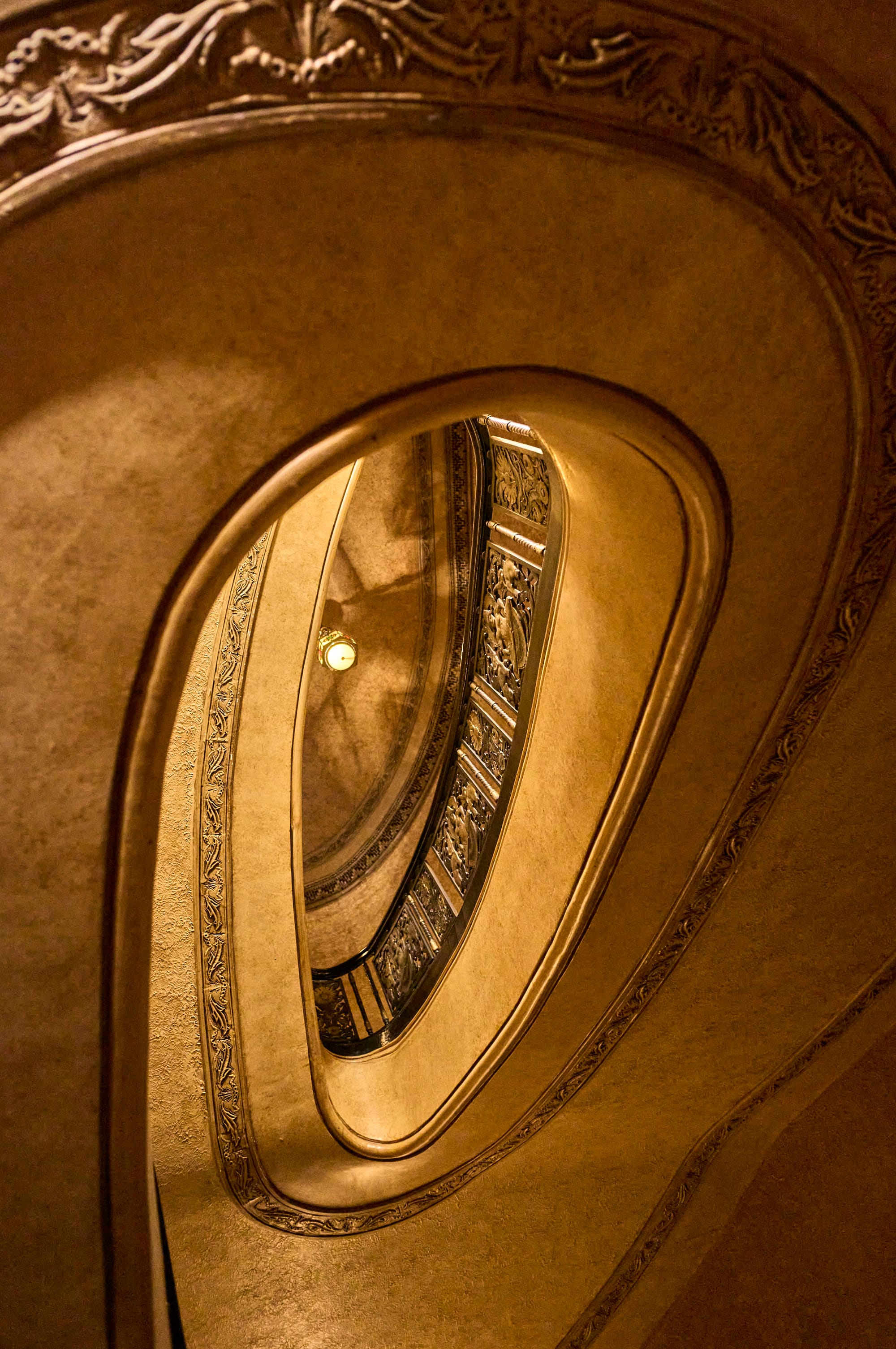
The Fox Theater, in particular, had an interesting history. William Fox, with a 4th-grade education, began showing films for the public to enjoy. In the 1920s, there was still no television, so watching films was the way to view entertainment. News was added to the bench-seated buildings, and soon multiple locations with larger seating space were used. William Fox became rich and used some of his wealth to leverage the building of this giant theater in Detroit. Seating over 2,200 in just the balcony, this theater was designed by C. Howard Crane and decorated by his wife. Fox Theater was finished in September 1928, an unlucky point in time as history would show the next year.

Soon after, as the crash of 1929 entered full swing, the banks called the loans, and Mr. Fox was bankrupt. The theater sat for a long time, empty and in need of repair. Eventually, the City of Detroit sold it to a wealthy business owner who renovated it with his personal funds, and the theater was restored. Today, the National Park site is still used for shows, and sold-out shows sign their names on the downstairs cinder block walls.
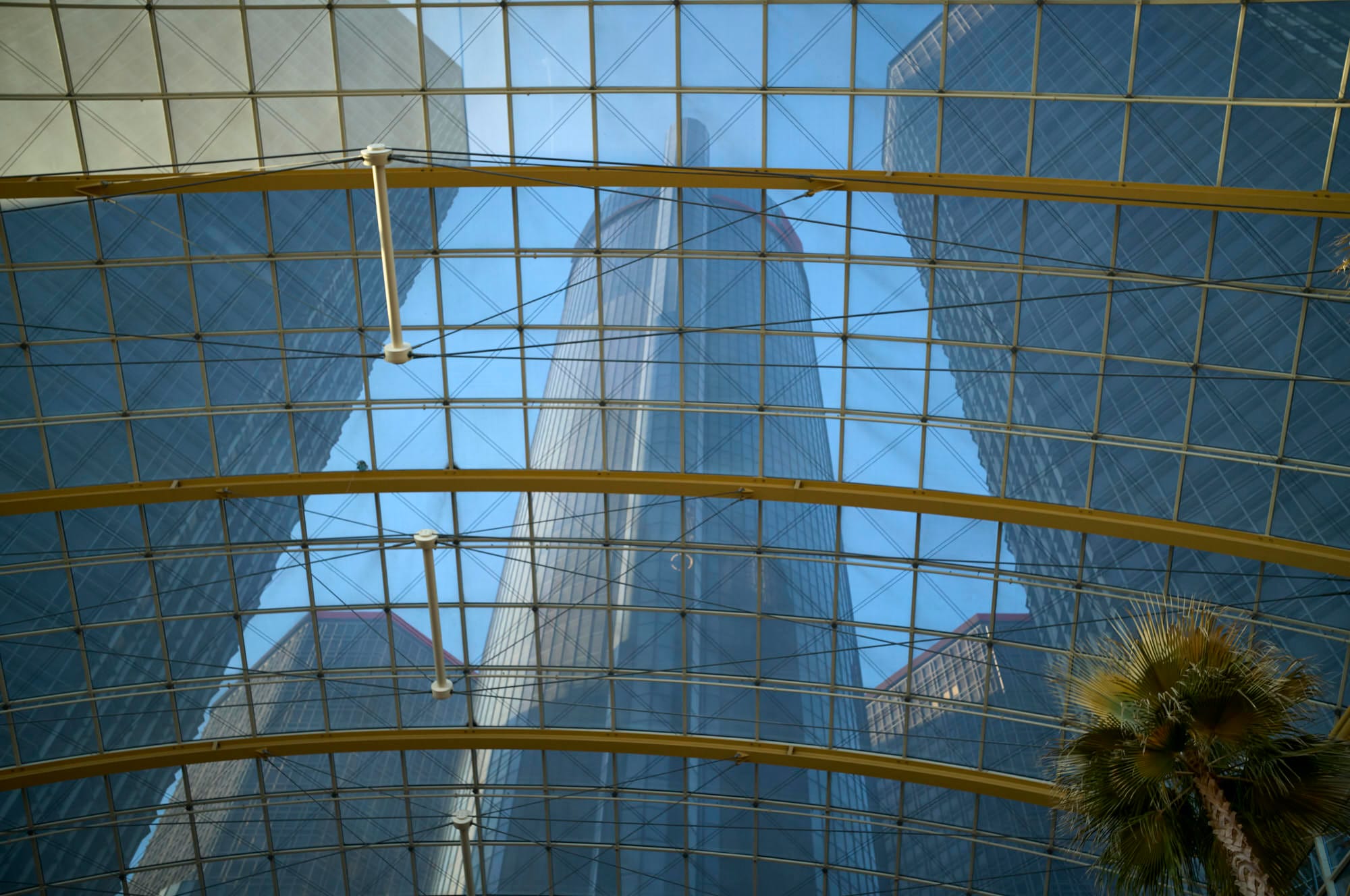
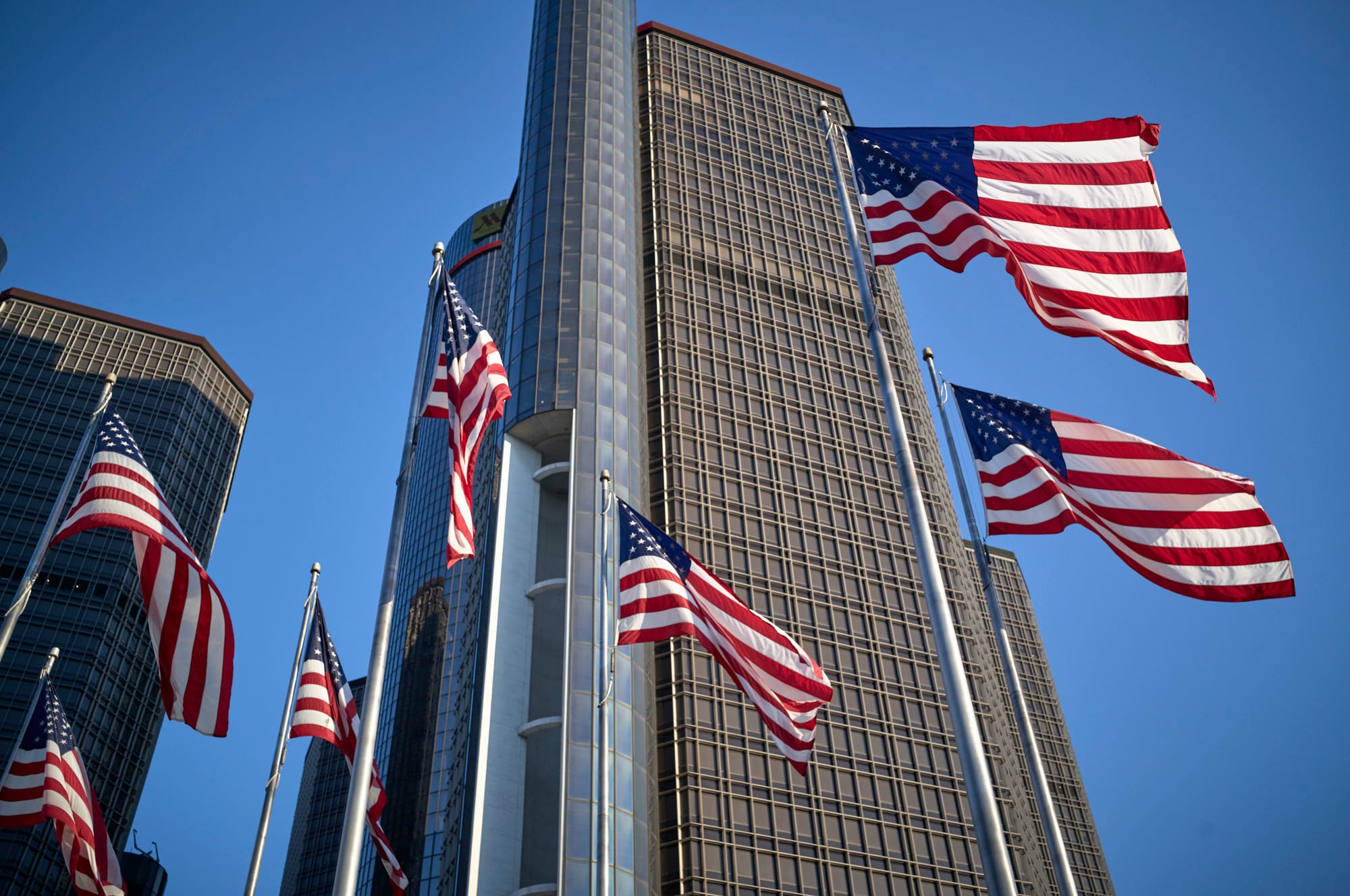
The RenCen was an architectural marvel in its day and housed the General Motors headquarters until January 2026, when they moved from the riverfront further into the city of Detroit. The two towers are scheduled for demolition to make room for more park space, and the remaining buildings will be converted to apartments.
Detroit has plenty of history both in architecture and music. Seeing Canada so close over the river helps recognize the international aspect of our world. A great time, with great friends and time for photographing, the Leica EV1 was a joy to shoot.
The longer I used the 28mm Elmarit f/2.8 ASPH and the APO 35mm Summicron f/2. Both lenses, at wide-open f/stops and higher f/stops like f/5.6 or f/8, were easy to focus and shoot. I am finding that fast focusing shows up on the EVF, and getting crisp focus at higher f/stops is visible in the full view on the EVF.
The key is focusing quickly, turning the lens fast, and then stopping when the image "snaps into shape." Yes, that sounds odd. Yet, practicing when taking photographs is not the main objective will help. Consider leaving the autofocus zoom in place, but turning the lens quickly so that the image sharpens up before the zoom kicks in. Fine-tuning can be done in the zoom, or if the image is already at acceptable focus, press the shutter.
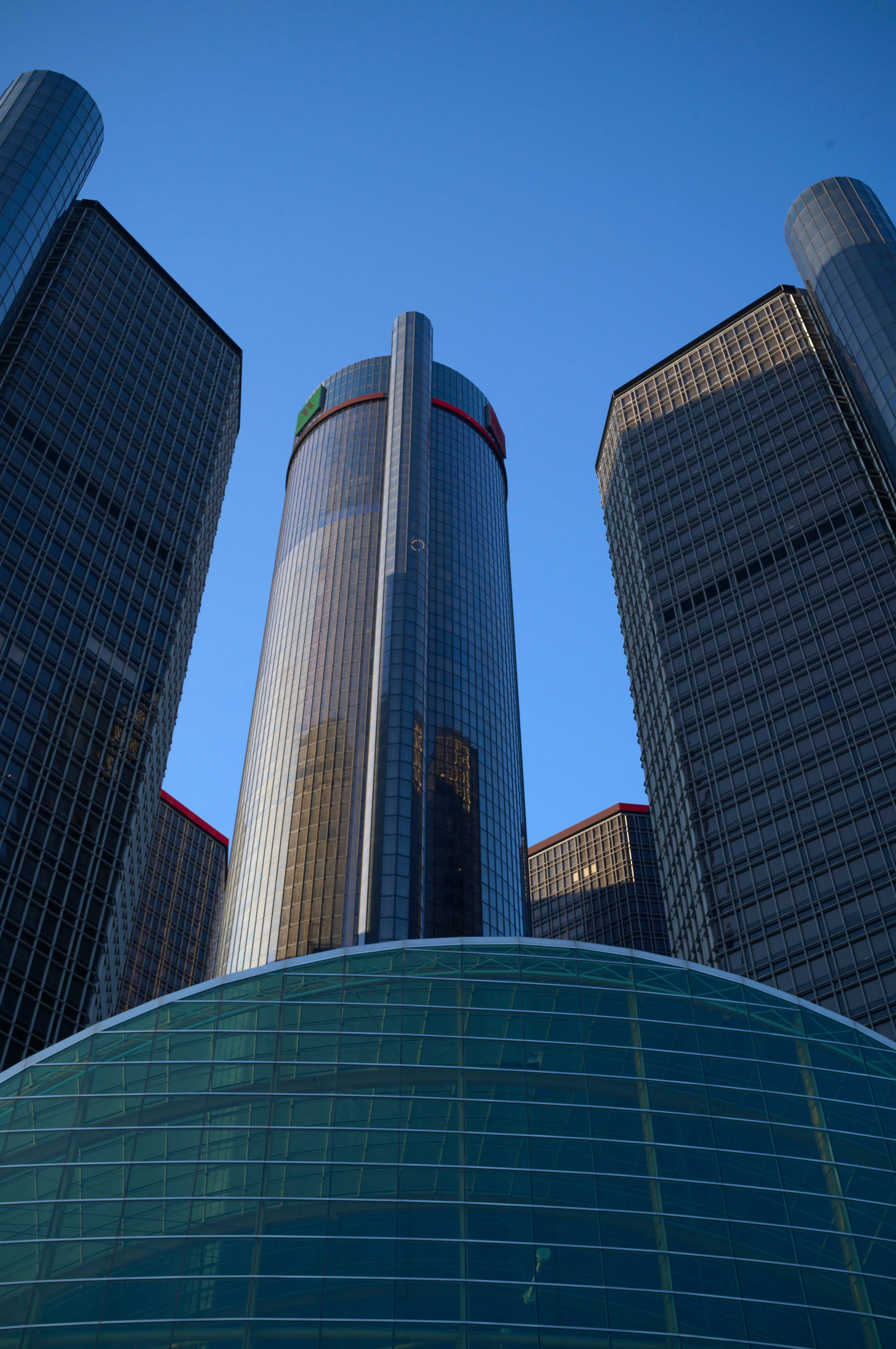
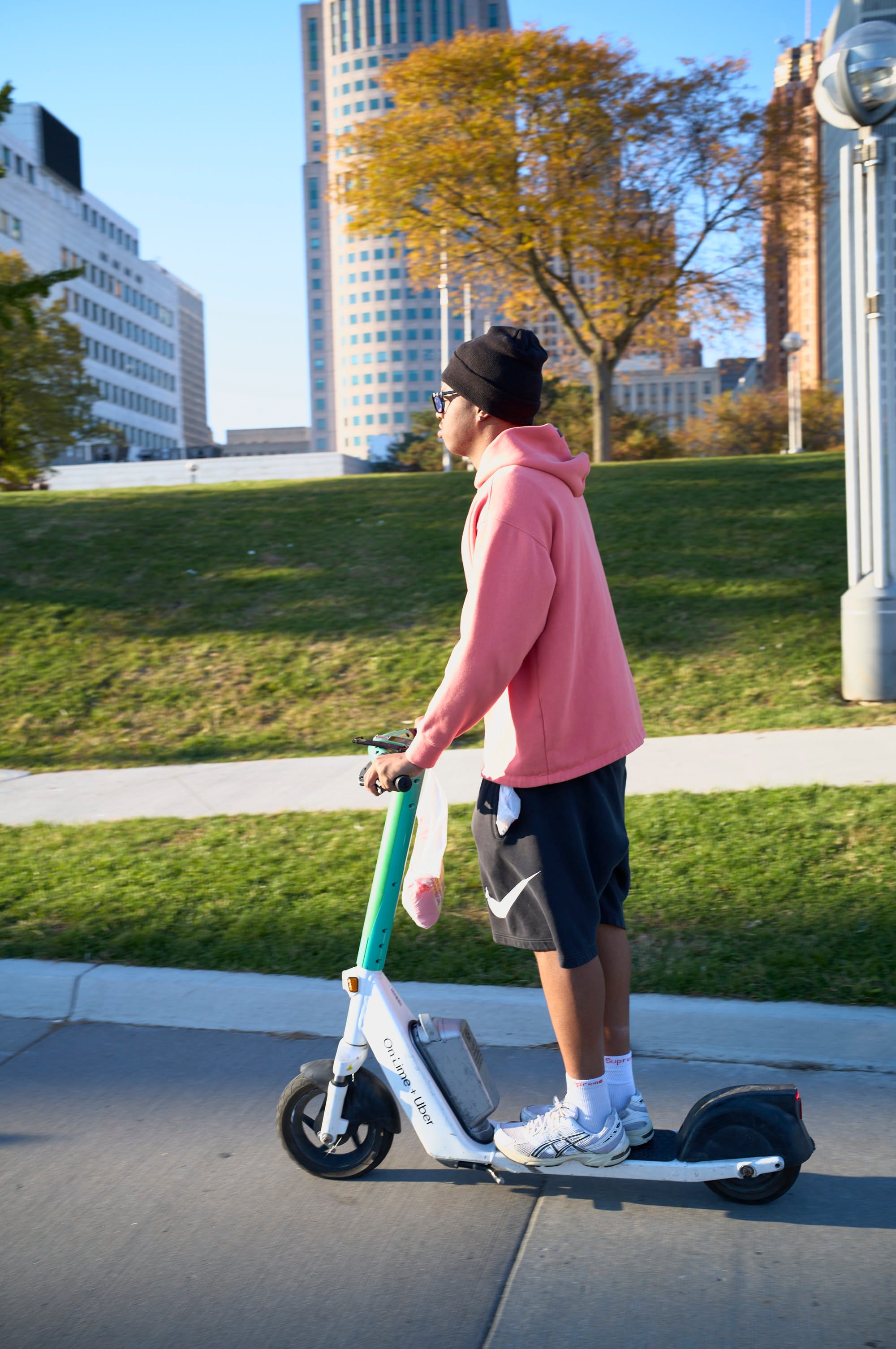
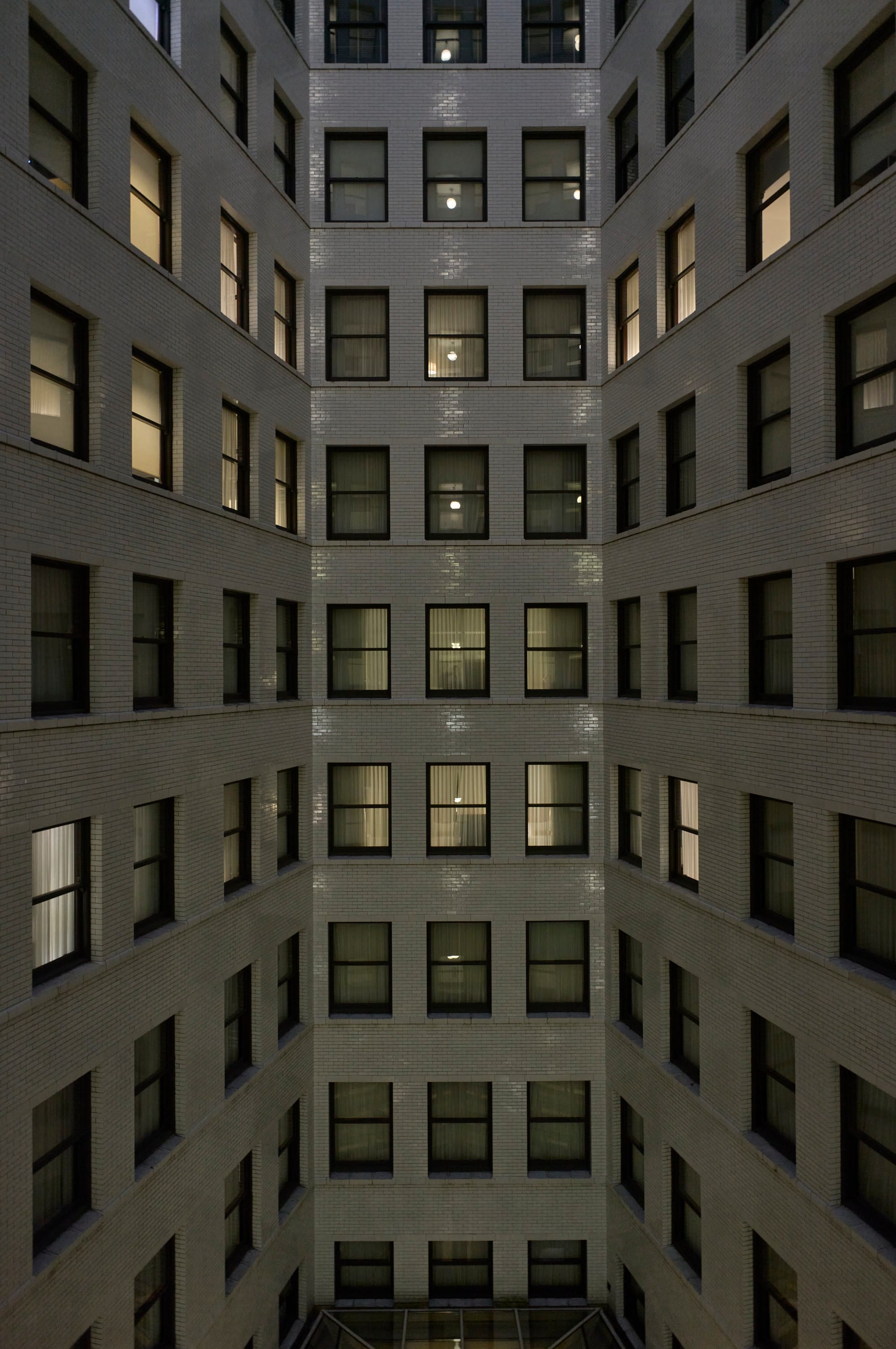
Empty RenCen GM headquarters, electric scooters at the river park, and the atrium at the David Whitney building, -Leica EV1 with 24mm and 35mm Leica lenses.