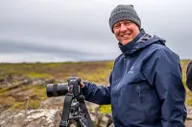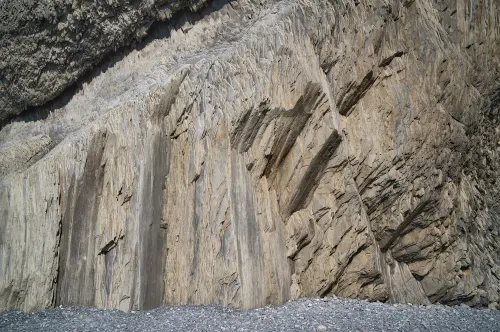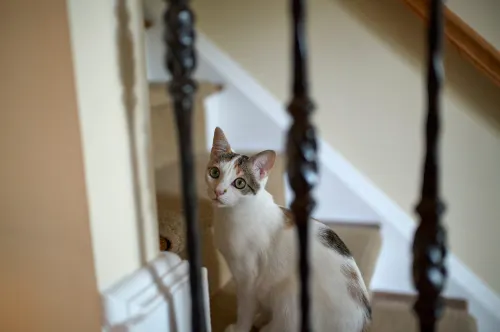


One of the comments I see frequently about using the EV1 compared to the Rangefinder is difficulty with deep depths of field, or high f/stops where infinity focusing is not used. Here I am going to deconstruct my method for achieving this DOF focus with the EV1. Not to spoil the end, the result is surprisingly intuitive and requires practice, just as it does with the rangefinder.
Uses for Large DOF
Depth of field is frequently abbreviated DOF. Large, or deep, DOF is frequently used for street photography and landscape work where the photographer wants to show both near and far parts of the image in focus. This is in contrast to thin DOF commonly used in portraits where the desired focus may only be for the subject.
Thus, depth of field is a decision made at the time the photograph is taken. For casual photography, or travel photography, both thin and deep DOF is frequently used with the same lens attached to the camera. Furthermore, DOF changes are made on-the-fly as images present themselves.
I just spent 3 weeks with the EV1 traveling just below and above the Arctic Circle using, among other lenses, the Noctilux-M 35mm and the Tri-Elmar MATE 28-50-35. I used these lenses both wide-open and stopped down to f/8 and f/11. Over the course of that time, I found I could successfully obtain deep DOF fairly quickly with the EV1. Using a Leica M7 with film along side the EV1 helped me along the way.
Deep DOF Using a Leica M Rangefinder Camera
The major difference between Leica digital rangefinders and Leica film rangefinders is how quickly feedback is obtained. Clearly, digital cameras provide instant feedback after the shutter is pressed. Yet, after using film for 40 years, that feedback isn’t always necessary if the user has confidence in setting exposures.
The similarities are more numerous. The method of achieving focus and framing (through the rangefinder) and taking the image (pressing the shutter) is the same. The creative process used to determine the subject of a photograph is exactly the same. So, how does one use the rangefinder to take deep DOF photographs?
It depends.
The Landscape Method
I’ll start with landscape examples which is my favorite genre of photography. To keep within the travel mode, I’ll use a hand-held frame of reference rather than a tripod frame of reference. Assume we are standing in front of a picturesque mountain scene and we want a deep DOF. We have two typical choices - 1. Focus at infinity and use a high f/stop such as f/11 or f/16, or 2. Set a medium f/stop such as f/8 or f/11 and use the DOF scale on the lens to maximize the DOF from close to infinity.
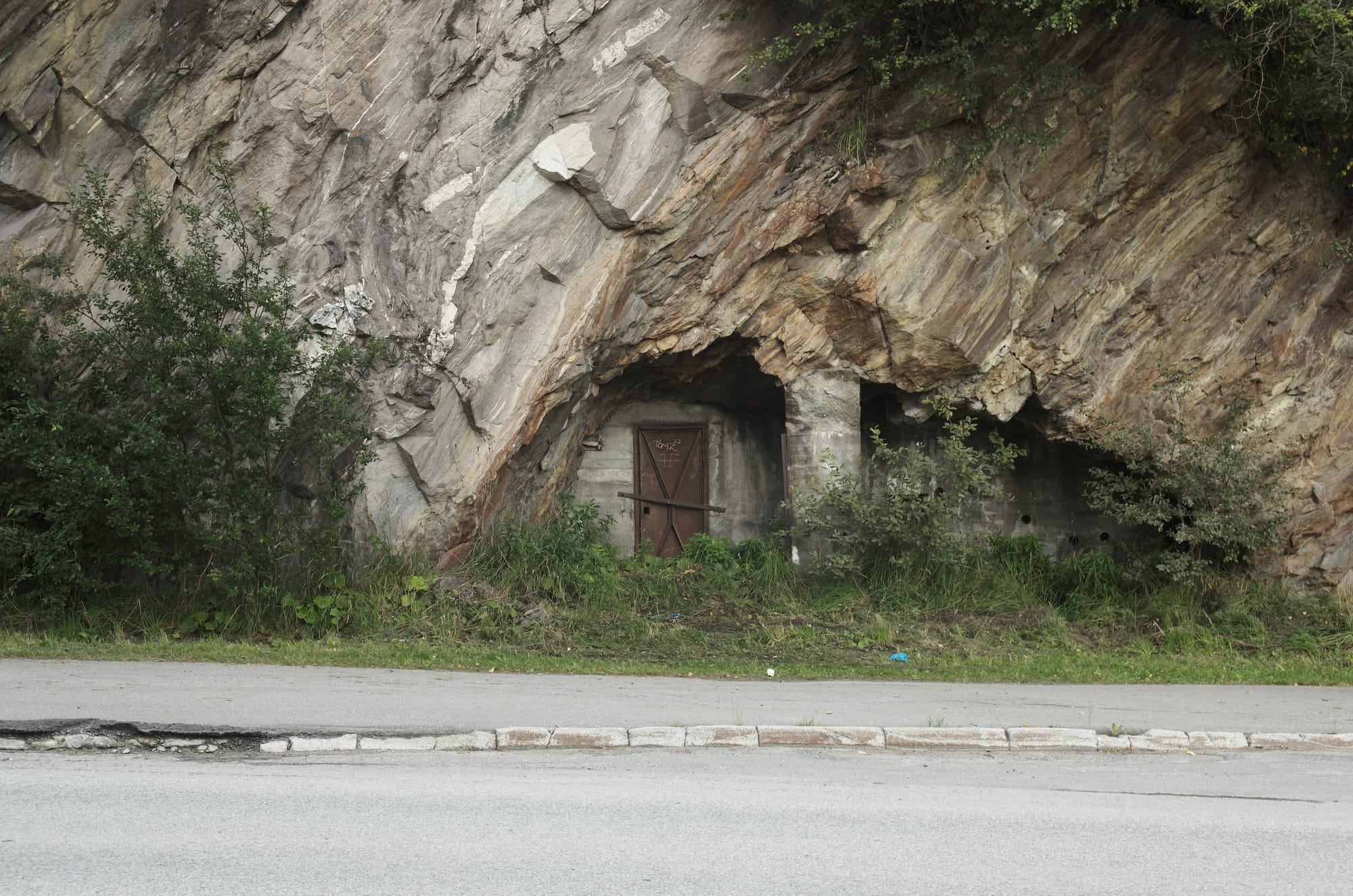
Notice that both of those choices have nothing to do with viewing through the rangefinder to set the focus. However, after setting the focus, the rangefinder is used to frame the image and ensure the scene is straight and level, adjusting the exposure and pressing the shutter.
The Floating DOF Method
When traveling, I like to take images of our travel group or interesting people I encounter where we are visiting. I will typically use a higher f/stop to get the people and the background in focus. After all, I want to record where we are just as much as the people. Yet, this poses a different challenge. Infinity may not matter for this photograph, so a combination of f/stop, DOF scale and the rangefinder focusing become important. This is more challenging than the landscape method above.
Let’s assume I picked f/8 on a 35mm lens to capture this group of people in front of some feature in the town I am visiting. We can assume I picked this by looking at the DOF scale on the 35mm lens. The next step is to look through the rangefinder, set the focus and exposure and press the shutter.
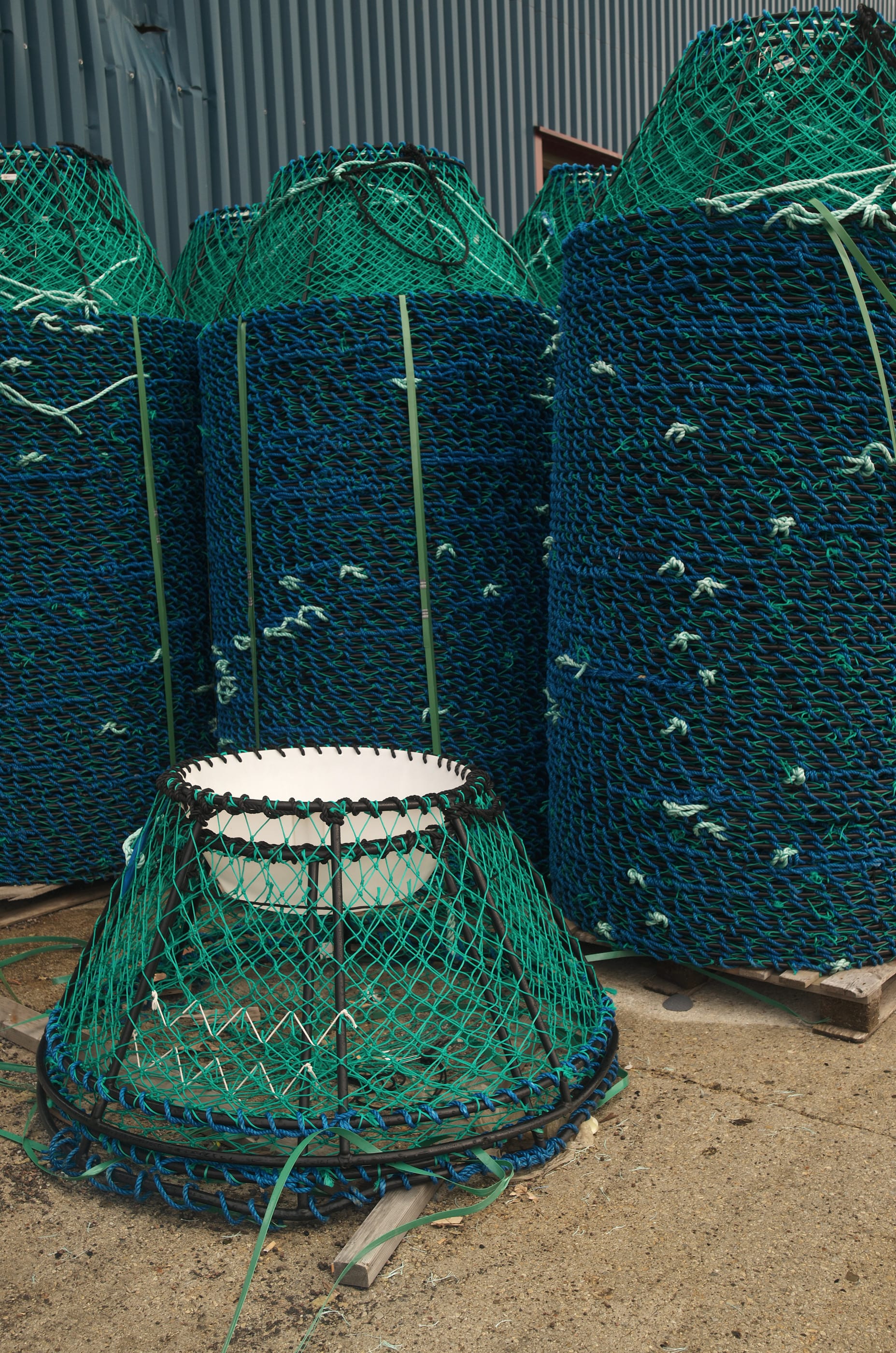
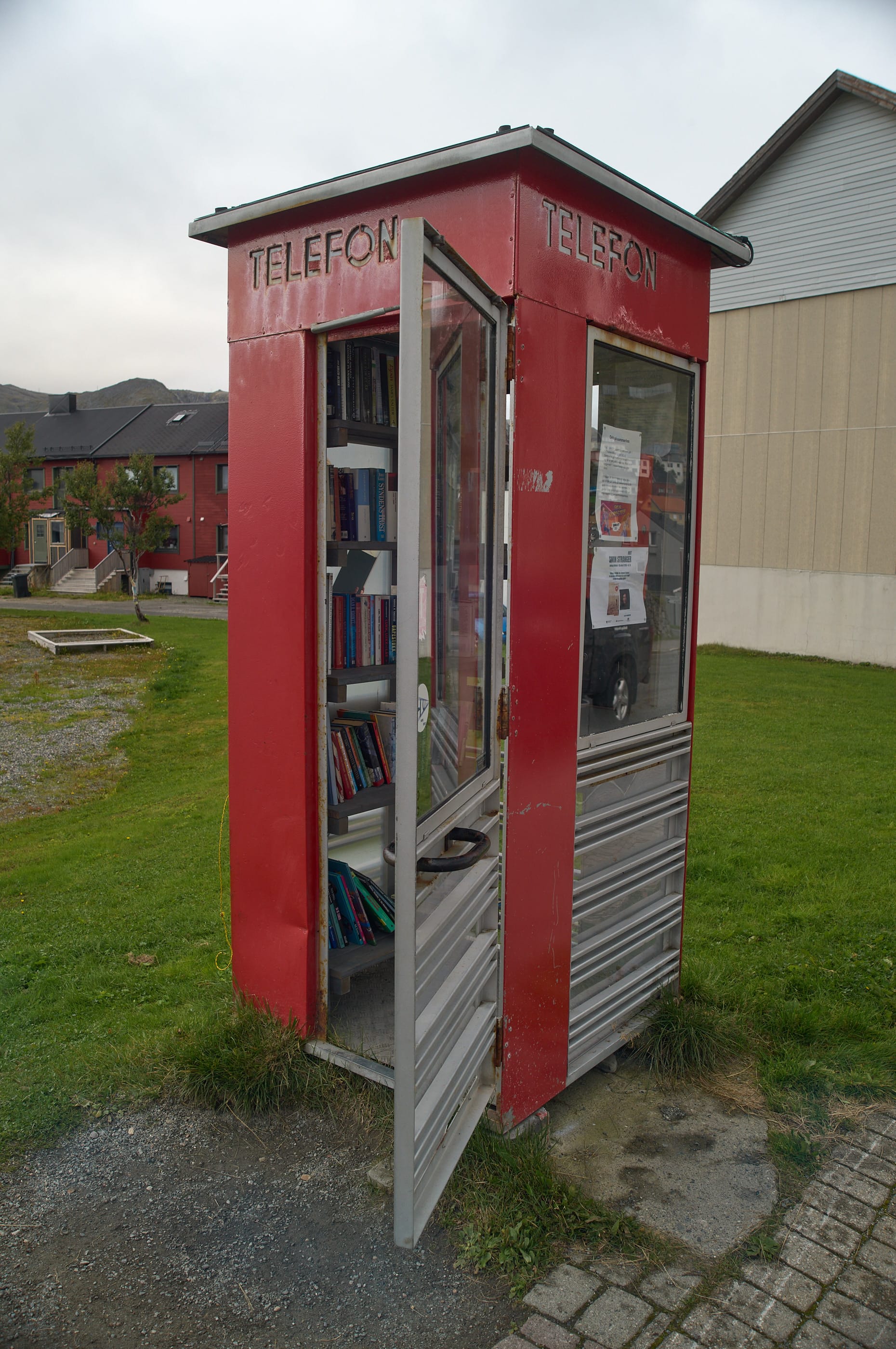
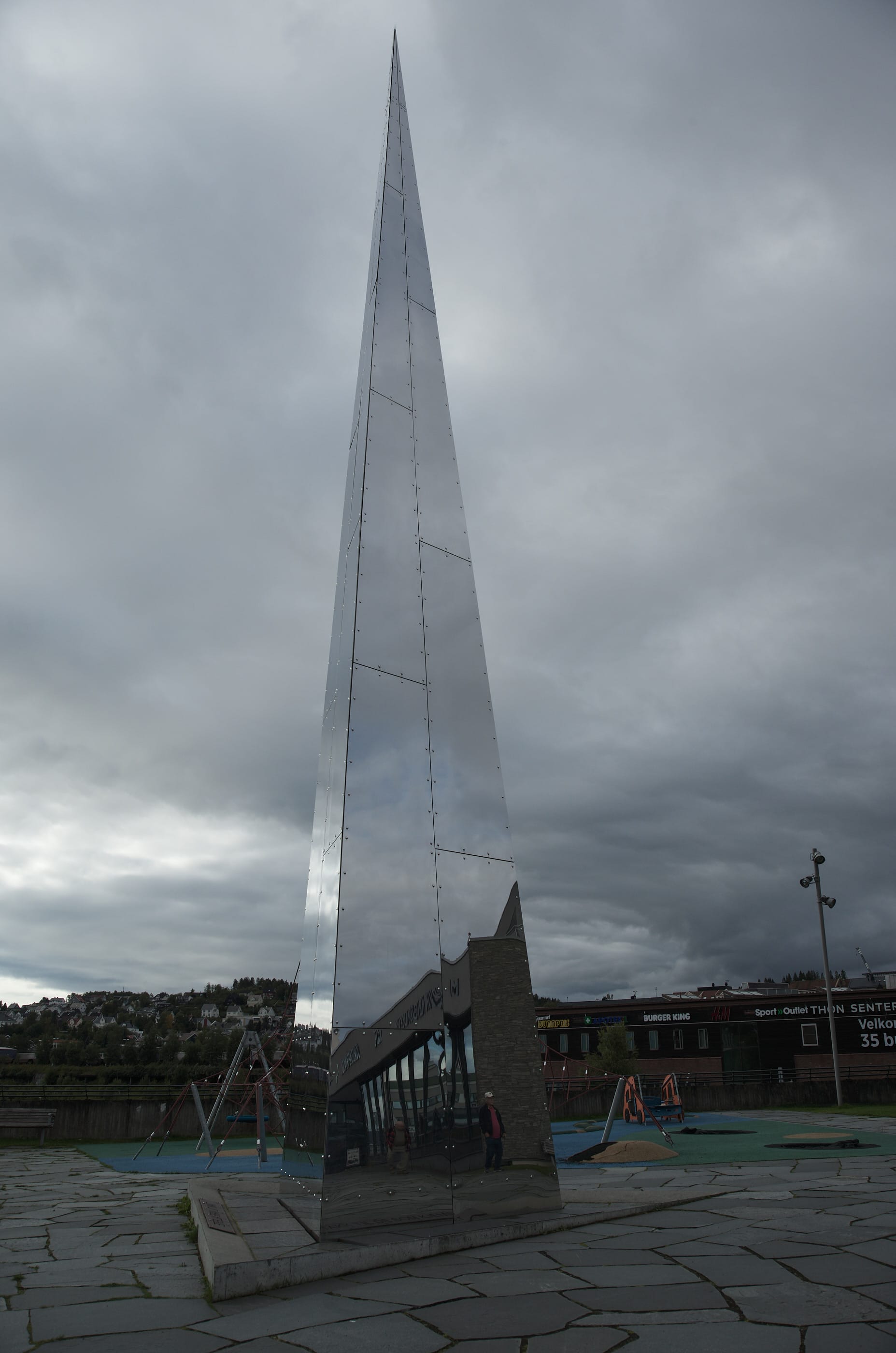
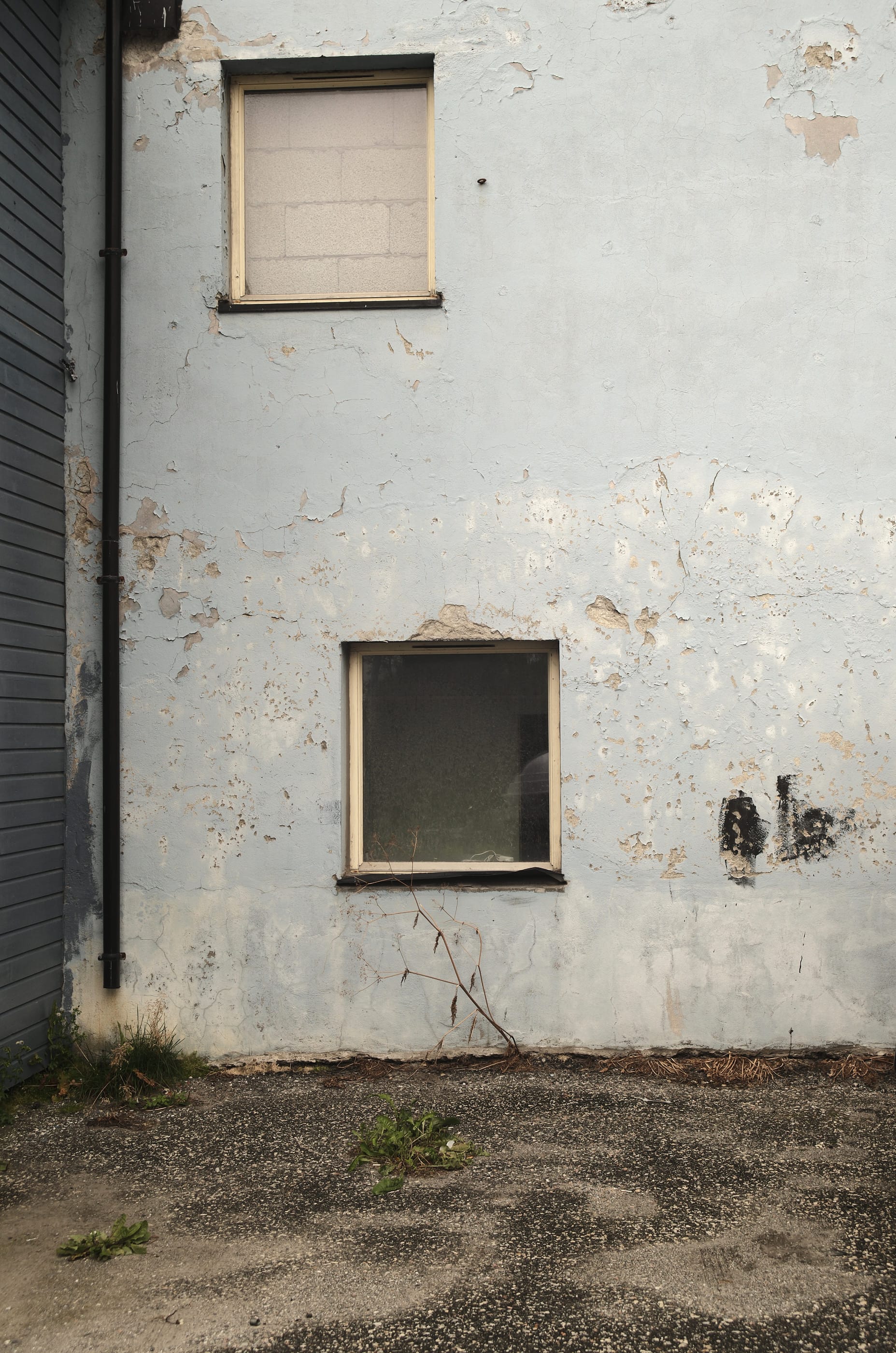
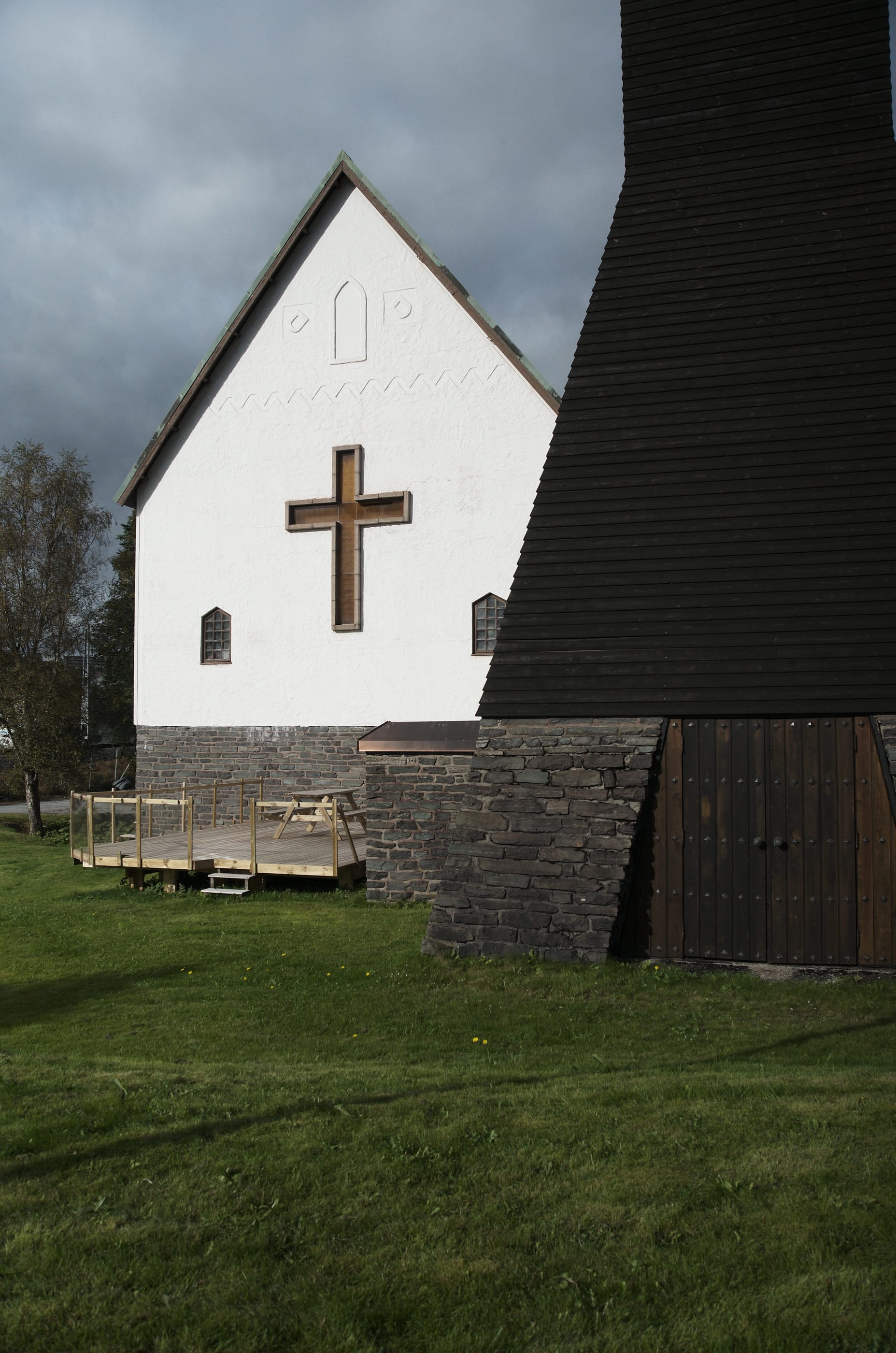
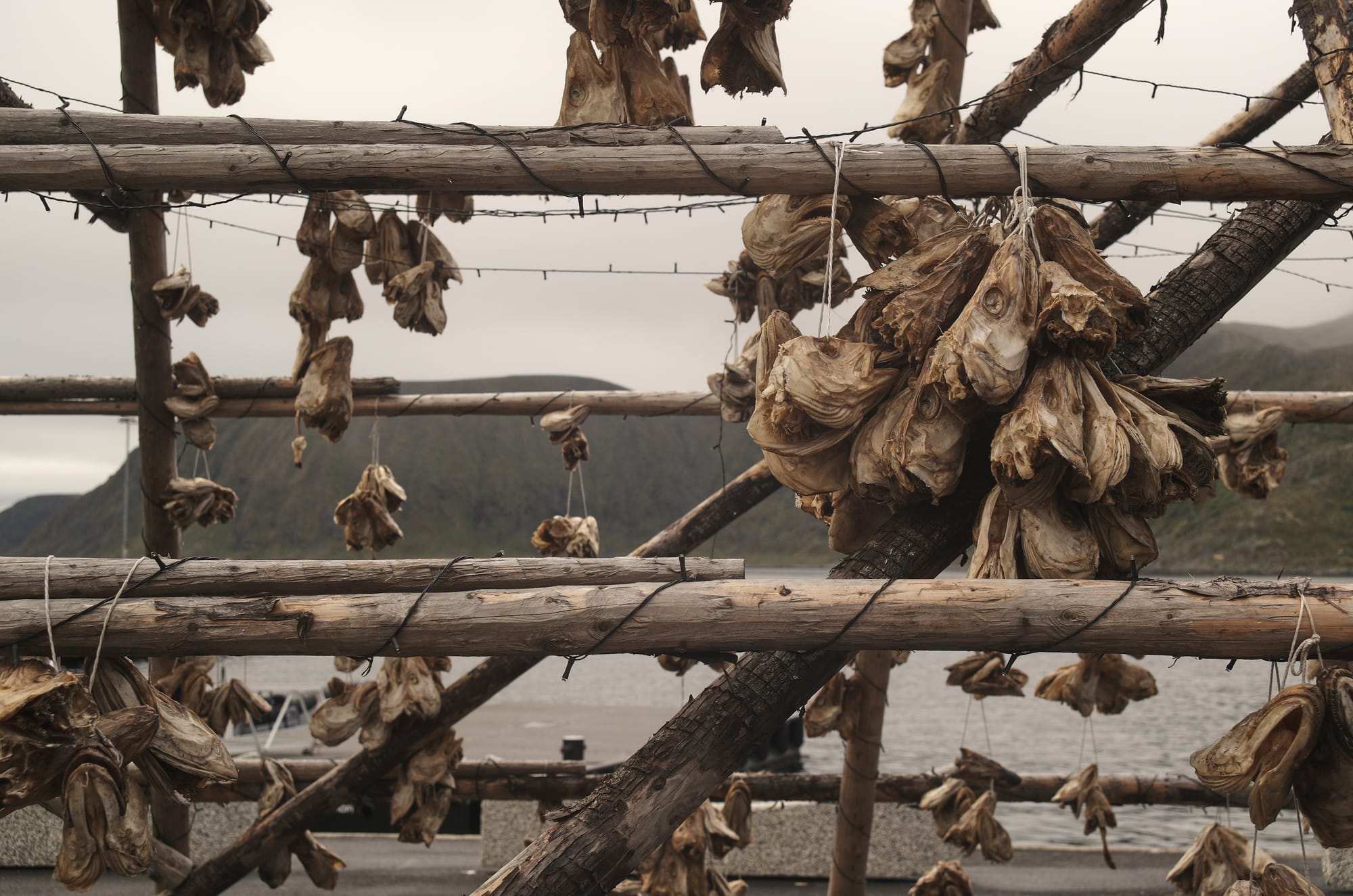
Various images around Honningsvåg and Narvik, -Taken with the Tri-Elmar Mate 28-50-35.
The question is, how would the rangefinder be used to set the focus? One could simply focus on the people and hope that f/8 was sufficient to capture the background. This method might work perfectly if the camera is back away from the group. However, what if the frame only includes portraits of the group?
We know from looking at the focus ring on lenses that the closer the lens focuses, the thinner the depth of field at a given f/stop. This is evident because the distances are spread much further apart. Distances near infinity, on the other hand, are bunched together providing deeper DOF at the same f/stop.
The 1/3 Focusing Point
The standard rule is to focus 1/3 of the way into the desired DOF. This takes into account the focusing scale. So, to focus close into a group of people, while retaining the background in focus means we might have to focus just past the people! Using a rangefinder we have two choices - one is fast and the other slow.
First, the slow method would involve focusing on the people with the rangefinder patch, looking at the lens scale noting the distance. Then, focusing on the background with the rangefinder patch and note the distance on the lens scale. The difference is the required DOF and, using the lens, we can set the proper focus, recompose and press the shutter. Whew! While we do all of that, the group has probably disbanded and we have likely lost the moment! Not the ideal way of photographing a group
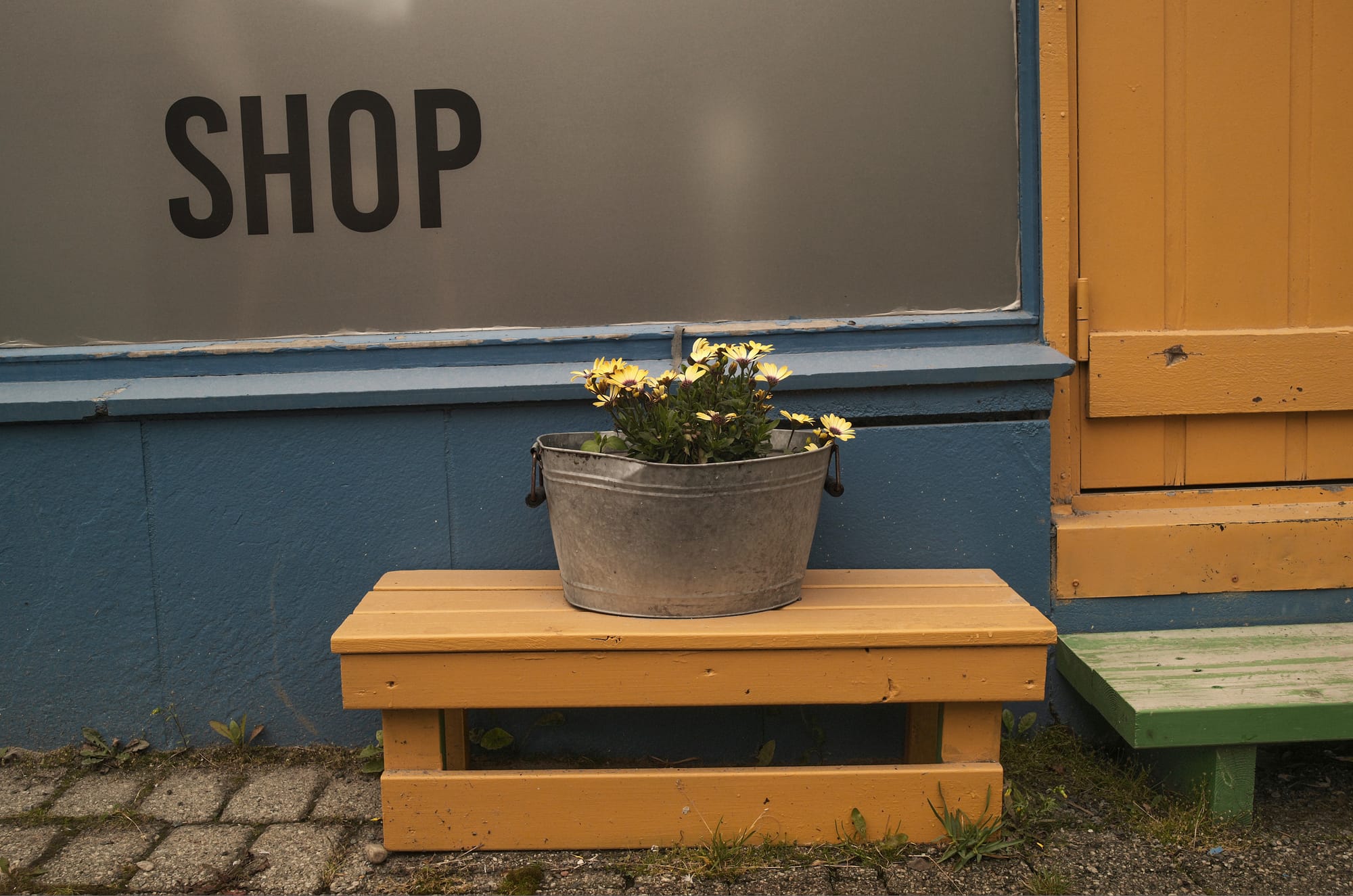
Second, we can eyeball the distance between the group and the background, choosing a spot about 1/3 of that distance behind the group. Pick an object there like a curb, sidewalk, sign, fence, or anything that has substance. Focus on that point with the rangefinder patch, recompose and press the shutter. Alternatively, we can focus on the people and then focus just a bit further. There is no question that this takes some practice, but this method is so much faster we are likely to catch the moment.
Acheiving Deep DOF with the EV1
Setting focus for landscape photography really is easy. It is completely dependent on the focal length of the lens and the f/stop used. The DOF is mechanical and mathematical regardless of the camera used! Obtaining an infinity DOF or using the distance scale on the lens is exactly the same on the EV1 as using any other Leica rangefinder camera. This is the good news!
Setting focus with a deep DOF for a group with a background, however, is not so easy. Yet, we just saw that achieving the proper focus with a rangefinder patch is not necessarily easy either!
The Challenge with the EV1
The EV1, by its very design, does not have a rangefinder patch. Aligning straight lines in the rangefinder patch is achieved very quickly. Many an SLR user has migrated to the rangefinder because of this efficient design.
Yet, the SLR is also different from the EV1 (and the Leica SL system for that matter). An SLR focuses with the f/stop wide open by projecting the image on the focusing screen. An SLR lens stops down as the shutter is pressed, or if a DOF preview level is used. The EV1, in contrast to both the SLR and the rangefinder, focuses with the f/stop in its final position. This is mechanically the way all Leica M lenses work. Thus, the EV1 shows the actual DOF of the resulting image, which is what the digital sensor sees through the lens.
It is this actual DOF using high f/stops that makes the Floating DOF focusing more difficult with the EV1 over other focusing systems. The question then, is how do we use the EV1 to obtain the proper focus point?
Acheiveing Floating DOF with the EV1
I’ll start by saying, this is probably the most challenging scenario when using the EV1. The rangefinder has different challenges, such as wide-angle lenses or telephoto lenses, or noctilux thin DOF. The EV1 just has a different challenges. Knowing the most efficient way to overcome that challenge is the answer.
Leica’s decision to provide custom functions using the rangefinder frame lever on the front of the EV1 contains that answer, in my opinion. The frame lever provides up to two custom functions. One custom function is moving the frame lever to the left, and a second custom function is moving the frame lever to the right. Think of it as a toggle and each time the frame lever is moved in the same direction, the custom function cycles through various choices.
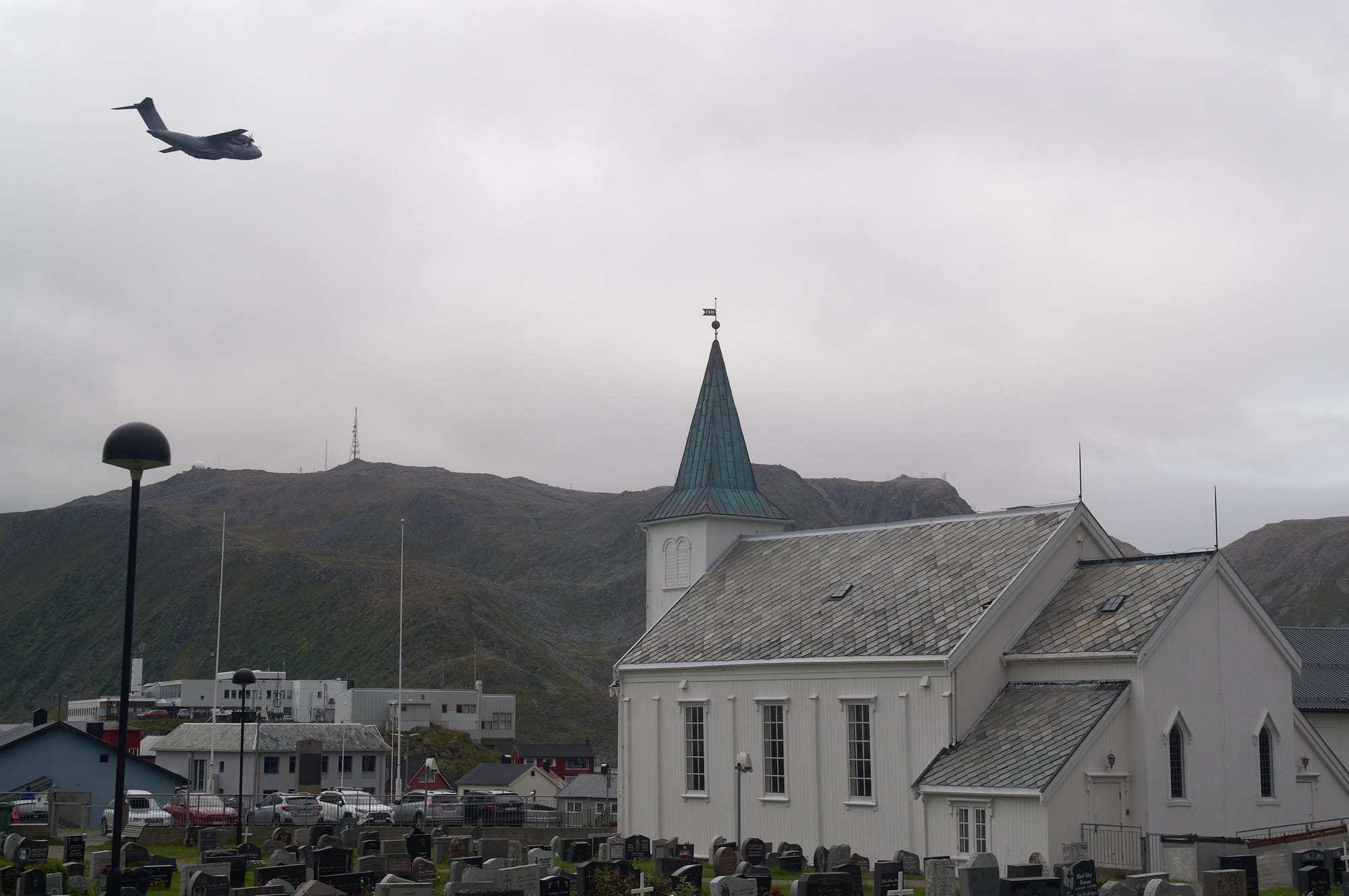
I previously wrote about using the auto-focus method where turning the focus of the lens causes the focus zoom to automatically display. I still believe this is the fastest way to focus when looking through the EVF. However, I also believe that zooming all the way in to focus a deep DOF is an exercise in futility! Yet, zooming in one step works very well. This has to do with the detail level of the EVF.
The EVF is 5.76 mp, which is very low compared to a 60mp image! Leica does not publish the exact zoom provided in each of the two zoom levels. However, zooming in means the 5.76mp shows more detail and focusing can be better assessed for the final image. Zooming in one step from full frame seems to work well when assessing deep DOF in an image.
To be clear, it does not allow the precise focus point of the lens to be determined, but the full DOF is easier to assess. Using the full frame doesn’t work well because the EVF detail uses about 9% of the pixels (5.76 mp / 60 mp). Out of focus areas will likely look like they are in-focus causing a poor image result. Zooming all the way in causes everything to be sharp and focusing back and forth has no discernible effect in the EVF view. The middle zoom point is half-way in between both problems - the detail uses a higher percentage of the pixels which lowers the probability of out of focus errors, and the view shows more of the image so true out of focus areas are easier to discern.
The Technique - How to Focus
By design, Leica firmware keeps the focus zoom until manually changed to a different level. In my setup I am using a) auto-focus on all the time, and b) focus zoom at the highest level. I have referred to this setup as the Secret Sauce, but for this purpose, it needs altered to the middle zoom level. To do this, I have changed the default behavior of moving the front frame lever towards the lens. I changed that custom function from focus peaking to focus zoom.
When I know I am going to use an f/stop greater than f/5.6, I immediately move the front frame lever towards the lens, brining up the focus zoom in the EVF. I then turn the thumbwheel to go out one zoom level. I immediately begin focusing with the lens and I have the larger view shown and focus accordingly. When I go back to shooting lower f/stops, I do the reverse: move the front frame lever towards the lens and use the thumbwheel to zoom in all the way. Remember that the zoom level is saved between shutter presses!
This too takes practice, just like focusing 1/3 of the way into the frame takes practice with the rangefinder. Stopping down more than you need will help ensure you get everything in focus, just like it does with the rangefinder.
Summary
Regardless of using a Leica rangefinder or a Leica EV1, focusing by setting the lens to infinity or using the depth of field scale on the lens works exactly the same way. Neither system has an advantage or disadvantage. However, with deep DOF images where the DOF floats somewhere between close focus and infinity, the methods are quite different between the rangefinder and the EVF.
Practicing over and over is the only sure way to obtain fast DOF focus for either system. Setting a 35mm or 50mm lens on f/8 and f/11 and practicing will help you focus faster when you want to capture something in motion.
So, practice does make for perfection! Give it a try and email me with your thoughts or questions!